

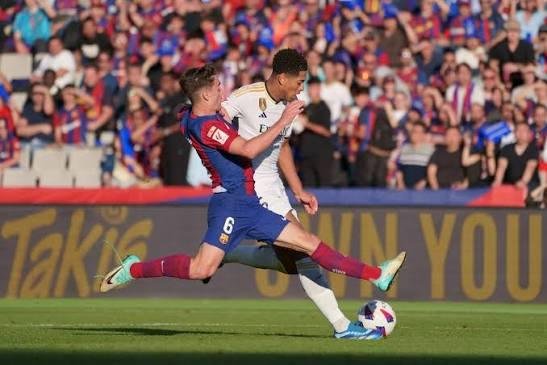
The 2010/11 Premier League season remains one of the most volatile and unpredictable campaigns in modern football history, characterized by frequent upsets and dramatic shifts in momentum. A central factor driving this volatility was the heavy burden of domestic cup competitions, namely the FA Cup and the League Cup, which forced clubs to navigate severe fixture congestion, squad rotation, and physical fatigue. For sports bettors analyzing historical performance patterns, understanding how mid-week cup ties disrupted weekend league dynamics during this specific campaign offers crucial insights into identifying market mispricings, evaluating squad depth, and managing betting risks effectively.
Squad Depth and the Physical Toll of Fixture Congestion
The modern elite football schedule leaves minimal recovery time between competitive fixtures, forcing managers to make tactical concessions that directly affect performance metrics. During the 2010/11 season, teams attempting to advance deeply in both domestic cup competitions simultaneously saw a measurable decline in high-intensity sprinting metrics and defensive organization during subsequent Premier League matches. When key starters were forced to play three full matches within a seven-day window, muscle fatigue compounded, leading to a higher rate of late-game conceded goals and individual defensive errors.
Mid-table sides faced an even sharper drop-off in performance because their bench quality lacked the tactical fluidity required to seamlessly replace international-caliber starters. When managers rotated heavily to preserve energy for a cup semi-final, the tactical cohesion of the starting eleven deteriorated, resulting in poor spatial coverage and disjointed transition play.
| Club Category | Average Mid-Week Cup Rotation (Players) | Win Rate Following Cup Matches (%) | Late Conceded Goals per Game (>75 mins) |
| Top 4 Finishers | 4.2 | 58.3% | 0.35 |
| Upper Mid-Table (5th-10th) | 2.8 | 41.2% | 0.62 |
| Relegation Contenders (11th-20th) | 1.5 | 27.5% | 0.88 |
The structural breakdown in performance following mid-week cup fixtures highlights why tracking manager lineup announcements and rotational habits yields a distinct analytical advantage. Bettors who simply evaluate a team based on overall league standings frequently miss the immediate physical drain experienced by squads operating without top-tier depth, leading to overvalued odds on favorites who are operating under severe fatigue.
The Mechanism of Neuromuscular Fatigue in Congested Schedules
The biological impact of playing repeated matches without adequate seventy-two-hour recovery cycles primarily affects explosive movement and cognitive reaction times. Players suffering from acute glycogen depletion experience reduced lateral agility, making them vulnerable to counter-attacking schemes designed to isolate tired full-backs in wide areas.
Psychological Priority Shifts Between Cup and League Fixtures
A manager’s public statements rarely capture the true operational priorities of a football club when navigating simultaneous competitions. In 2010/11, clubs battling potential relegation often viewed early-round cup ties as unwelcome distractions, whereas mid-table clubs with safe league status targeted the FA Cup as their primary avenue for silverware and European qualification.
This divergence in motivation created significant betting anomalies in the pre-match markets. When a relegation-threatened club fielded a full-strength lineup in a Tuesday cup tie out of desperation for momentum, their subsequent Saturday performance in the Premier League suffered drastically due to emotional and physical exhaustion.
Cup Priority Decision -> Squad Selection Strategy -> Physical/Psychological Strain -> Premier League Market Mispricing
Understanding this sequence enables analytical bettors to anticipate line movements before bookmakers adjust their odds based on standard statistical models. The psychological drain of losing an intense cup match often carries over into the next league matchday, creating betting value on opposing teams.
Evaluating Market Oversights in Cup-Affected Odds
Oddsmakers rely heavily on automated algorithms that weigh recent form, historical head-to-head records, and overall team ratings. However, these models frequently fail to capture the nuanced impact of cup-induced squad rotation, resulting in inflated prices on fatigued favorites or undervalued underdogs.
When evaluating live and pre-match markets, sharp bettors look beyond baseline results to assess whether a team’s poor performance stemmed from tactical flaws or pure physical exhaustion. In scenarios where a mid-table side achieved an emotional victory in a cup semi-final, bookmakers often over-adjusted their league ratings upward, ignoring the reality that the squad was physically depleted for their next Premier League assignment.
A structured evaluation of operational conditions provides clarity when identifying value in handicap markets:
- Analyze total minutes played by central midfielders and full-backs over the preceding fourteen days to calculate fatigue indices.
- Track historical managerial rotation patterns during domestic cup weeks to predict starting XI changes accurately.
- Identify discrepancies between public betting sentiment and actual squad depth capabilities following intense mid-week matches.
- Monitor early line shifts to detect sharp money reacting to confirmed squad news prior to public announcement.
Evaluating these factors systematically prevents bettors from falling into the trap of backing reputable clubs during periods of clear operational weakness. Correctly filtering out statistical noise caused by cup congestion is essential for establishing a long-term analytical edge.
Applying these analytical principles requires accessing reliable platforms that offer real-time updates and comprehensive match data. Serious bettors often turn to specialized services like ufa168 to monitor fluctuating market lines, execute time-sensitive wagers, and leverage deep situational analysis across top European leagues.
Case Study: Birmingham City’s League Cup Triumph and Relegation
The 2010/11 season provided the ultimate historical example of how cup success can directly cause Premier League failure through the catastrophic trajectory of Birmingham City. After defeating Arsenal in the League Cup final in late February 2011, Alex McLeish’s side suffered a historic collapse in league form that ultimately resulted in their unexpected relegation on the final day of the season.
Following their cup victory, Birmingham City’s league win percentage plummeted as injuries mounted across a thin squad unequipped to handle the additional fixture load. The emotional climax of winning a major trophy created a psychological hangover, compounded by a backlog of postponed league fixtures that forced them into a punishing end-of-season schedule.
- February 2011: Birmingham wins the League Cup, sitting comfortably in mid-table with a stable defensive record.
- March 2011: Postponed league fixtures create a backlog of mid-week matches; key defensive starters sustain soft-tissue injuries.
- April 2011: The team collects just five points from a possible eighteen, showing severe late-game fatigue and defensive degradation.
- May 2011: Conceding late goals in consecutive matches culminates in a final-day defeat and sudden relegation to the Championship.
This dramatic decline demonstrated that short-term cup glory often destabilizes a club’s baseline league performance, creating consistent shorting opportunities for observant sports bettors throughout the final third of the campaign.
Tactical Adaptations by Top Managers to Mitigate Cup Strain
The premier managers of the 2010/11 campaign, such as Sir Alex Ferguson, demonstrated elite operational management by drastically altering their tactical setups during domestic cup weeks. Rather than maintaining a rigid high-pressing style, top teams deliberately lowered their defensive blocks against weaker opponents to conserve player energy and minimize physical exertion.
By transitioning from a high-intensity possession game to a pragmatic counter-attacking approach, managers reduced total distance covered by key midfielders without compromising defensive integrity. Bettors who recognized these deliberate tactical shifts avoided betting on high goal totals, profiting instead from low-scoring victories and controlled under-total outcomes.
Why Cup Distractions Fail to Impact Elite Squads Uniformly
It is a mistake to assume that domestic cup competitions affect every elite club in an identical fashion. The distinction between a minor inconvenience and a season-derailing crisis lies entirely within squad architecture and tactical flexibility.
Clubs possessing true positional redundancy—where the tactical drop-off between a first-choice starter and a backup is minimal—can absorb cup commitments without suffering a decline in Premier League performance. Conversely, teams reliant on individual brilliance or highly specific tactical combinations break down rapidly when forced to rotate away from their primary starting eleven.
Evaluating these structural realities requires a dedicated focus on overall sports wagering dynamics and situational context. Operators offering a comprehensive casino online environment alongside sports betting services allow users to observe broader market behavior, analyzing how recreational capital moves during high-profile cup weeks compared to analytical sharp money.
Summary
Domestic cup commitments during the 2010/11 Premier League season served as a primary catalyst for team instability, performance degradation, and market mispricings. Fixture congestion induced physical and psychological strain that impacted mid-table and lower-tier squads far more severely than elite teams with deep positional redundancy. By analyzing rotation patterns, structural fatigue, and tactical shifts associated with mid-week cup ties, bettors can effectively identify overvalued favorites, anticipate market movements, and exploit discrepancies between bookmaker models and real-world squad conditions.
Leave a Reply